


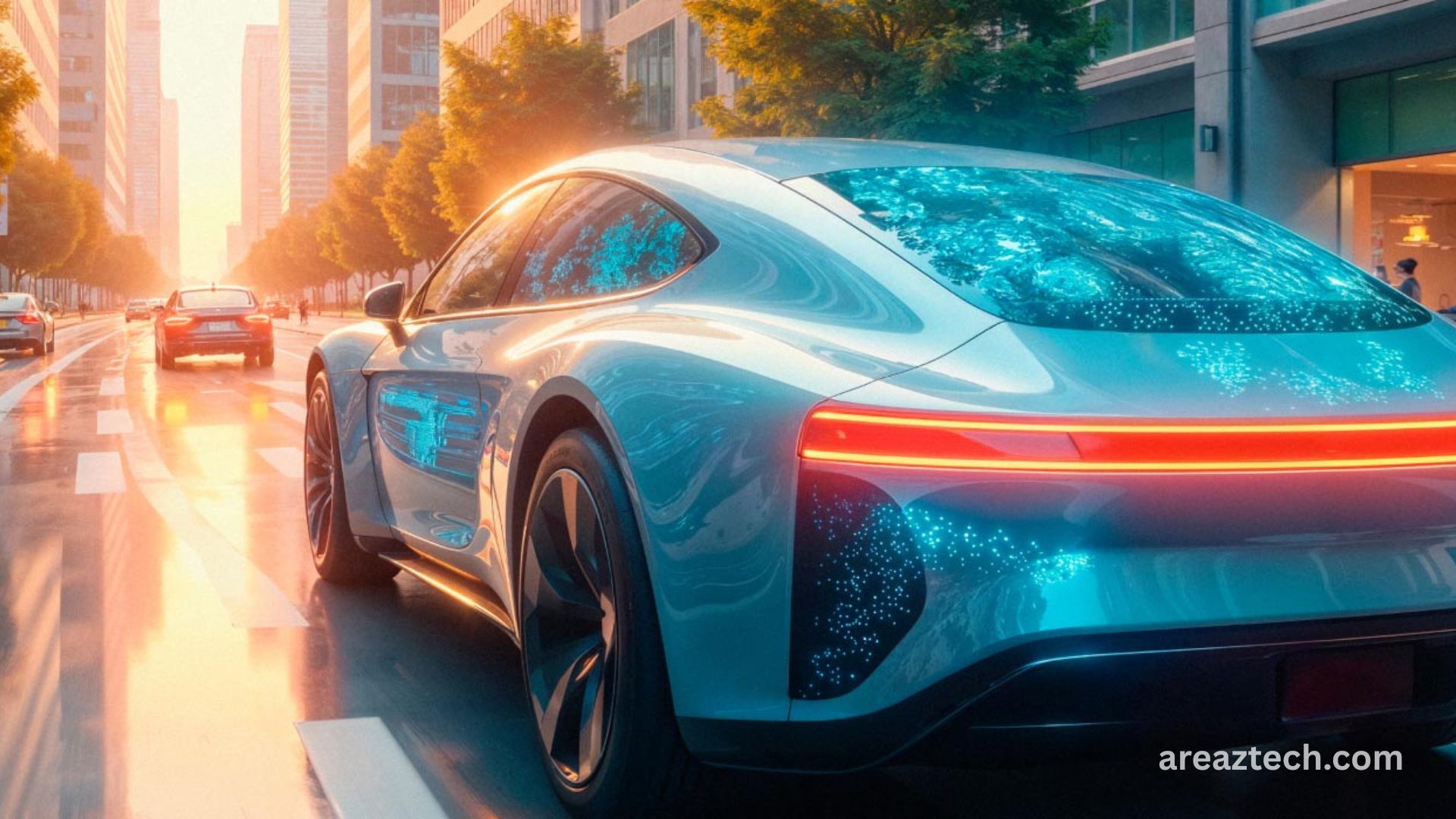
The automotive industry in 2026 is undergoing a major technological transformation as lidar systems and artificial intelligence (AI) automation become central to vehicle design, manufacturing, and performance. After years of gradual innovation, the sector is now experiencing a rapid shift toward smarter, safer, and more autonomous vehicles. Automakers are increasingly integrating advanced sensor technologies like lidar, which uses laser-based mapping to create highly accurate 3D representations of surroundings. Combined with AI-driven automation, these technologies are enabling vehicles to perceive, analyze, and respond to real-world conditions with unprecedented precision. This evolution is not only improving safety but also redefining how cars are built and how they interact with drivers and environments.
In today’s highly competitive global automotive market, companies are under intense pressure to innovate quickly or risk falling behind. Consumers are demanding smarter safety features, autonomous driving capabilities, and enhanced driving experiences. As a result, leading manufacturers are investing heavily in AI-powered systems and lidar technology to gain a competitive edge. From autonomous vehicles and smart navigation systems to automated manufacturing lines, these innovations are shaping the future of mobility. The year 2026 marks a critical turning point where traditional automotive engineering is merging with advanced digital intelligence to create the next generation of transportation.
The Rise of Lidar Technology in Modern Vehicles
Lidar, which stands for Light Detection and Ranging, has become one of the most important technologies in the development of autonomous and semi-autonomous vehicles. It works by sending out laser pulses to measure distances and create highly detailed 3D maps of the surrounding environment. This allows vehicles to detect objects, pedestrians, road conditions, and obstacles with extreme accuracy, even in low-light or challenging weather conditions.
In 2026, lidar is no longer limited to experimental self-driving cars. It is increasingly being integrated into mainstream automotive models, especially in advanced driver-assistance systems (ADAS). Automakers are using lidar to enhance features such as automatic emergency braking, lane detection, adaptive cruise control, and collision avoidance systems. This has significantly improved road safety and reduced the risk of human error.
AI Automation Driving Smarter Vehicles
Artificial intelligence plays a crucial role in processing the vast amount of data collected by lidar and other sensors. AI systems analyze real-time information to make instant driving decisions, such as adjusting speed, changing lanes, or applying brakes when necessary. This level of automation is bringing vehicles closer to full autonomy.
AI is also improving in-car experiences by enabling voice recognition, predictive navigation, and personalized driving settings. Modern vehicles can now learn driver behavior over time and adjust systems such as climate control, seat positioning, and route suggestions automatically. This creates a more intelligent and customized driving experience for users.
Automotive Manufacturing Transformed by AI and Automation
Beyond vehicles themselves, AI and automation are also transforming automotive manufacturing processes. Smart factories are now using robotic systems and AI-powered analytics to improve production efficiency, reduce waste, and enhance quality control.
Robots handle repetitive tasks such as welding, painting, and assembly with high precision, while AI systems monitor production lines in real time to detect defects and optimize workflows. This has significantly reduced manufacturing errors and increased production speed, allowing automakers to meet growing global demand more effectively.
Autonomous Driving and the Road to Full Self-Driving Cars
One of the most exciting developments in the automotive industry is the progress toward fully autonomous vehicles. Lidar and AI are at the core of this transformation, enabling cars to navigate complex environments without human intervention.
In 2026, many vehicles already offer Level 2 and Level 3 autonomy, where cars can handle certain driving tasks independently under specific conditions. Companies are actively working toward Level 4 and Level 5 autonomy, which would allow fully self-driving cars with minimal or no human input. Although regulatory and technical challenges remain, significant progress is being made globally.
Safety Improvements Through Advanced Sensor Technology
Safety remains one of the biggest driving forces behind the adoption of lidar and AI in the automotive industry. Traditional cameras and radar systems have limitations in detecting objects accurately in all conditions, but lidar provides highly precise spatial awareness.
AI enhances this capability by interpreting sensor data in real time and predicting potential hazards before they occur. This combination allows vehicles to respond faster than human drivers in critical situations, significantly reducing the likelihood of accidents. As a result, modern vehicles are becoming safer and more reliable than ever before.
Competitive Pressure Among Global Automakers
The race to dominate the future of automotive technology is intensifying among global manufacturers. Companies in the United States, Europe, and Asia are heavily investing in AI research and lidar development to gain a competitive advantage.
Startups and established automotive giants alike are competing to launch the most advanced autonomous systems. Partnerships between tech companies and automakers are also becoming more common, as collaboration is essential to accelerate innovation in this rapidly evolving industry.
Cost Challenges and Technology Adoption Barriers
Despite its advantages, the integration of lidar and AI systems comes with significant costs. Lidar sensors are expensive, and developing advanced AI systems requires substantial investment in research, data infrastructure, and computing power.
These costs can make it difficult for smaller manufacturers to compete with larger companies. However, as technology becomes more widely adopted, production costs are expected to decrease, making advanced automotive features more accessible in the future.
Impact on Jobs and Automotive Workforce
The rise of automation in the automotive industry is also changing the nature of employment. While traditional manufacturing roles are being reduced, new opportunities are emerging in software engineering, AI development, robotics maintenance, and data analysis.
Workers in the automotive sector are increasingly required to develop digital and technical skills to remain relevant. Companies are investing in training programs to help employees transition into these new roles and adapt to the evolving industry landscape.
Consumer Demand for Smart and Autonomous Vehicles
Consumer expectations are playing a major role in driving innovation. Modern drivers are increasingly looking for vehicles that offer not only performance and comfort but also intelligence and automation.
Features such as advanced driver assistance, real-time navigation, predictive maintenance alerts, and autonomous parking are becoming standard expectations in many markets. This shift in consumer behavior is pushing automakers to accelerate the adoption of AI and lidar technologies.
Environmental Benefits of AI and Automation in Cars
AI and automation are also contributing to environmental sustainability in the automotive sector. Smart driving systems can optimize fuel consumption, reduce emissions, and improve route efficiency.
Electric and hybrid vehicles are also benefiting from AI-driven energy management systems that extend battery life and improve performance. As sustainability becomes a global priority, these technologies are helping the automotive industry move toward greener solutions.
Read More: Why AI Automation Won’t Guarantee Competitive Advantage
The Future of Automotive Innovation Beyond 2026
Looking ahead, the automotive industry is expected to become even more intelligent and interconnected. Vehicles may communicate with each other, traffic systems, and smart city infrastructure to improve traffic flow and reduce accidents.
AI and lidar will continue to evolve, enabling fully autonomous driving systems that can operate safely in all environments. The integration of 5G and future communication technologies will further enhance real-time data exchange between vehicles and infrastructure.
FAQs (Frequently Asked Questions)
What is lidar technology in the automotive industry?
Lidar is a laser-based sensing technology that creates detailed 3D maps of a vehicle’s surroundings for safer and smarter driving.
How is AI used in modern vehicles in 2026?
AI processes sensor data to help vehicles make real-time decisions like braking, steering, lane detection, and navigation assistance.
Why are automakers investing in AI and lidar?
Because these technologies improve safety, enable autonomous driving, and give companies a strong competitive advantage in the market.
Are self-driving cars fully available in 2026?
Not fully, but many vehicles offer advanced driver assistance and partial autonomy with ongoing development toward full self-driving.
How does lidar improve vehicle safety?
It detects obstacles and road conditions more accurately than traditional sensors, reducing accidents and human driving errors.
What role does AI play in car manufacturing?
AI helps automate production lines, improve quality control, reduce errors, and increase manufacturing efficiency.
Do AI and lidar make cars more expensive?
Yes, they currently increase costs, but prices are expected to decrease as the technology becomes more widely adopted.
Will AI replace human drivers completely in the future?
AI may reduce the need for drivers in some cases, but full replacement depends on regulations, safety, and technology progress.
Conclusion:
Lidar and AI automation are fundamentally reshaping the automotive industry in 2026, driving a new era of innovation, safety, and intelligence. From autonomous driving and smart manufacturing to enhanced safety systems and personalized driving experiences, these technologies are redefining what modern vehicles can do.
While challenges such as high costs and regulatory hurdles remain, the long-term impact of AI and lidar is undeniable. The automotive industry is moving toward a future where vehicles are not just machines, but intelligent systems capable of understanding and interacting with their environment in real time.
