


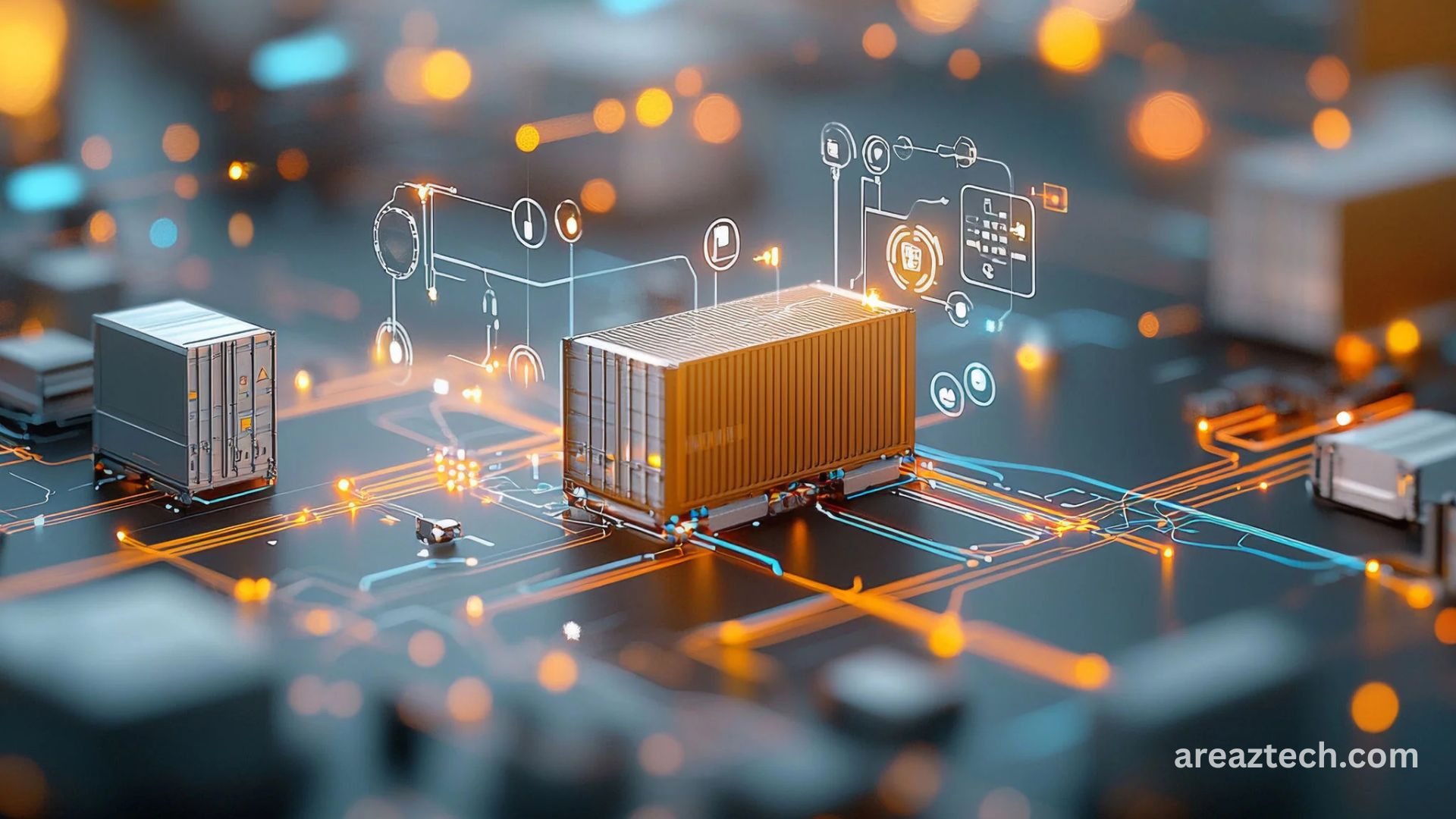
Global supply chain operations are entering a new era in 2026 as artificial intelligence and automation become central to how goods are produced, transported, and delivered around the world. After years of disruption caused by pandemics, geopolitical conflict, labor shortages, and rising transportation costs, businesses are turning to advanced technologies to build stronger and more efficient supply networks. AI-powered systems are now helping companies predict demand, monitor shipments in real time, reduce delays, and improve inventory management. At the same time, automation is transforming warehouses, factories, and distribution centers through the use of robotics, smart machines, and autonomous vehicles. Together, these technologies are reshaping the global supply chain landscape faster than ever before.
For businesses operating in 2026, adopting AI and automation is no longer just an option but an essential strategy for survival and growth. Companies that embrace these technologies are gaining significant advantages in speed, accuracy, cost reduction, and customer satisfaction. Meanwhile, organizations that continue to rely on traditional methods risk falling behind in an increasingly competitive global market. As supply chains become more complex and customer expectations continue to rise, AI and automation are emerging as the key tools that will define the future of global commerce.
Why Supply Chains Needed a Technological Shift
The global supply chain system has experienced repeated disruptions over the past several years. Events such as the pandemic, international conflicts, rising fuel prices, shipping delays, and shortages of raw materials exposed weaknesses in traditional supply chain models. Many companies realized that their systems lacked flexibility and visibility, making it difficult to respond quickly when unexpected problems occurred.
These challenges created a strong need for more intelligent and responsive supply chain operations. Businesses began searching for technologies that could provide better forecasting, faster decision-making, and greater resilience. AI and automation quickly emerged as the most effective solutions because they allow companies to analyze massive amounts of data and react in real time to changing market conditions.
The Growing Role of Artificial Intelligence in Supply Chains
Artificial intelligence is becoming one of the most important technologies in modern supply chains. AI systems can process huge amounts of information from sales records, transportation networks, customer behavior, and market trends. This allows businesses to make more accurate predictions about future demand and avoid costly shortages or excess inventory.
In 2026, many global companies are using AI to improve planning and reduce uncertainty. Predictive analytics tools help businesses understand when products will be needed, which suppliers are most reliable, and how potential disruptions could affect operations. This level of intelligence gives companies a major advantage because they can make faster and more informed decisions.
Automation Is Transforming Warehouses and Distribution Centers
Automation is also playing a major role in reshaping supply chain operations. Warehouses and distribution centers are increasingly using robots and automated systems to manage inventory, move products, and prepare shipments. These technologies are reducing the need for manual labor while increasing speed and accuracy.
In many modern warehouses, robots now handle tasks such as sorting, packaging, and transporting goods from one location to another. Automated guided vehicles move through facilities without human drivers, while robotic arms perform repetitive tasks more efficiently than workers. This has allowed companies to process orders much faster and reduce operational costs.
AI Improves Demand Forecasting and Inventory Management
One of the biggest benefits of AI in supply chains is improved demand forecasting. Traditional forecasting methods often rely on past sales data and basic trends, which can be inaccurate during periods of rapid change. AI systems are much more advanced because they can analyze multiple factors at the same time, including customer behavior, weather conditions, seasonal patterns, and economic trends.
This allows companies to maintain more accurate inventory levels. Businesses can avoid running out of popular products while also reducing excess stock that may not sell. Better inventory management not only saves money but also improves customer satisfaction because products are available when needed.
Real-Time Tracking and Supply Chain Visibility
AI and automation are giving companies much greater visibility into their supply chain operations. Real-time tracking systems now allow businesses to monitor shipments from the factory to the final customer. Sensors, GPS technology, and AI software provide constant updates about where products are located and whether there are any delays.
This level of visibility is extremely important in 2026 because supply chains have become more global and complex. Companies can quickly identify problems, reroute shipments, or communicate with customers if delays occur. Real-time tracking also improves transparency, helping businesses build stronger relationships with suppliers and customers.
Reducing Costs Through Smarter Operations
One of the main reasons businesses are investing in AI and automation is to reduce costs. Supply chain operations are expensive, especially when there are delays, wasted inventory, or labor shortages. AI helps businesses make better decisions, while automation reduces the need for manual work.
For example, automated systems can identify the most efficient delivery routes, helping companies save fuel and reduce transportation expenses. AI can also detect inefficiencies in production or inventory management, allowing businesses to eliminate waste and improve productivity. Over time, these savings can have a major impact on profitability.
Labor Shortages Accelerate Automation Adoption
Labor shortages have become a serious issue in many industries, especially in logistics, manufacturing, and warehousing. In 2026, many businesses are struggling to find enough workers to meet demand. This has made automation even more attractive because machines and robots can continue operating even when human labor is limited.
However, the rise of automation is also changing the nature of work. While some traditional jobs are being replaced, new roles are being created in technology management, data analysis, robotics maintenance, and AI oversight. Companies are increasingly investing in training programs to help workers adapt to these new opportunities.
AI and Automation in Transportation and Delivery
Transportation is another area where AI and automation are having a major impact. Many logistics companies are now using AI to optimize shipping routes, reduce delays, and improve fuel efficiency. AI systems can analyze traffic, weather, and delivery schedules to determine the best possible routes for drivers.
In addition, autonomous delivery technologies are becoming more common in 2026. Self-driving trucks, delivery robots, and drones are beginning to play a larger role in transporting goods. Although these technologies are still developing, they have the potential to significantly reduce delivery times and costs in the future.
Challenges and Risks of AI in Supply Chains
Despite the benefits, there are also challenges associated with AI and automation in supply chains. One major concern is the high cost of implementation. Smaller businesses may struggle to afford advanced technology, creating a gap between large corporations and smaller companies.
There are also cybersecurity risks. As supply chains become more connected and dependent on digital systems, they become more vulnerable to hacking and data breaches. Companies must invest in strong security measures to protect sensitive information and maintain trust.
Another challenge is the need for skilled workers. Businesses need employees who understand AI systems, data analysis, and automation technologies. Without proper training, companies may struggle to fully benefit from their investments.
The Environmental Impact of Smarter Supply Chains
AI and automation are also helping businesses make supply chains more environmentally sustainable. By improving route planning and reducing waste, companies can lower fuel consumption and carbon emissions. Automated systems also help reduce excess inventory and overproduction, which contributes to less waste.
In 2026, sustainability is becoming an increasingly important priority for businesses and consumers. Companies that use AI and automation to create greener supply chains are likely to gain a stronger reputation and meet growing environmental expectations.
Global Competition and the Race to Innovate
As more companies adopt AI and automation, competition is becoming more intense. Businesses that move quickly and invest in advanced technologies are gaining a significant advantage over those that continue to rely on outdated systems.
Countries are also competing to become leaders in supply chain innovation. Governments and technology companies are investing heavily in AI, robotics, and smart logistics systems. This global race is expected to accelerate even further over the next decade.
The Future of Supply Chains Beyond 2026
Looking beyond 2026, AI and automation are expected to become even more advanced. Future supply chains may use fully autonomous warehouses, self-managing transportation networks, and AI systems that can make decisions without human involvement.
At the same time, businesses will need to balance technology with human oversight. While AI can improve efficiency, human judgment will still be important for strategic planning, customer relationships, and problem-solving. The most successful companies will be those that combine the power of technology with the experience and creativity of people.
FAQs (Frequently Asked Questions)
How is AI changing global supply chain operations in 2026?
AI is helping companies improve forecasting, reduce delays, manage inventory, and make faster business decisions.
Why is automation becoming important in supply chains?
Automation increases speed, reduces labor costs, improves accuracy, and helps businesses handle worker shortages.
What role do robots play in modern warehouses?
Robots sort, pack, move, and organize products faster and more efficiently than traditional manual processes.
How does AI improve inventory management for businesses?
AI predicts future demand more accurately, helping businesses avoid product shortages and excess stock.
Can AI help reduce supply chain costs?
Yes, AI reduces costs by optimizing routes, lowering waste, improving planning, and increasing efficiency.
What are the biggest risks of using AI in supply chains?
The main risks include cybersecurity threats, high setup costs, system failures, and employee skill gaps.
How are self-driving vehicles affecting global logistics?
Self-driving trucks, drones, and delivery robots are making transportation faster, cheaper, and more efficient.
Will AI completely replace workers in supply chains?
No, AI will change jobs, but human workers will still be needed for management, strategy, and oversight.
Conclusion:
AI and automation are fundamentally transforming global supply chain operations in 2026. From smarter forecasting and real-time tracking to automated warehouses and self-driving delivery systems, these technologies are helping businesses become faster, more efficient, and more resilient.
However, the transition also comes with challenges such as high costs, cybersecurity risks, and workforce changes. Companies that invest strategically and prepare for these challenges will be in the strongest position to succeed. As the global economy continues to evolve, AI and automation will not just support supply chains they will define their future.
