


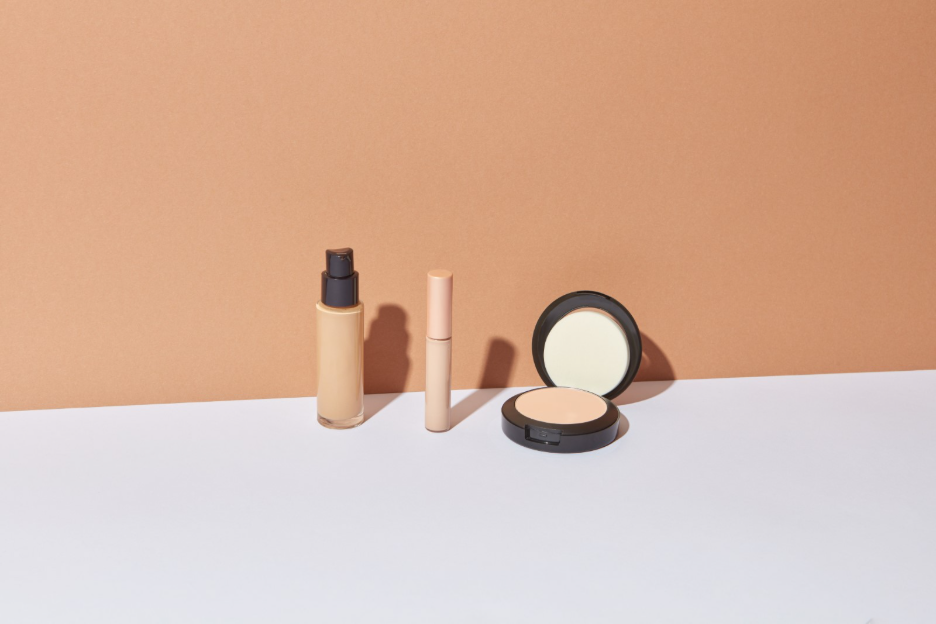
Foundation isn’t one-size-fits-all. Liquid, powder, and stick formulas can look and feel completely different once they’re on the skin, so the best choice comes down to your skin type, coverage needs, and preferred finish. What looks great in the package may not work nearly as well once you start wearing it.
For many people, liquid foundation is a versatile option because it comes in a wide range of finishes and coverage levels. Still, knowing how it compares with powder and stick formulas can make it much easier to find the right match for your routine.
Liquid Foundation: The Most Adaptable Option
Liquid offers the widest range of finishes and coverage levels of the three formats, which is really its whole appeal. It slides easily onto skin, evens out tone and texture, and blurs blemishes, and there’s genuinely no skin type that can’t use some version of it. Dry skin benefits from hydrating, dewy liquid formulas. Oily skin can find matte, oil-controlling liquid options built specifically to manage shine.
Powder Foundation: Built for Oil Control and Speed
Powder delivers a lightweight feel with genuine shine control, and it’s hard to beat for quick application or midday touch-ups. It typically provides lighter, more sheer coverage than liquid, and depending on the formula, it can feel considerably less heavy on skin. Normal and combination skin types tend to benefit most here, especially if a matte, no-makeup finish is the actual goal.
Stick Foundation: Portable and Precise
Stick foundations are essentially semisolid cream formulas in a convenient twist-up format, less drying than powder, and genuinely excellent for quick routines or targeted coverage. They’re particularly good for scars or textured areas, specifically, since you can build coverage right on the problem spot without over-applying across your entire face.
Matching Format to Skin Type
Dry or mature skin generally does best with a hydrating liquid formula, since powder and stick can both settle into fine lines and emphasize dry patches rather than smoothing over them. Oily or acne-prone skin tends to prefer powder for its oil-absorbing properties, or a non-comedogenic liquid paired with solid oil-controlling skincare underneath. Sensitive skin often does best with mineral-based powders or fragrance-free liquids, since shorter ingredient lists generally mean less opportunity for irritation.
Combination Skin Gets to Use a Hybrid Strategy
If your skin runs oily in some areas and dry in others, you don’t have to pick just one format. Using liquid foundation as the base and setting only the oilier zones, typically the T-zone, with a light dusting of powder, gives you control over shine without drying out the areas that actually need moisture.
Climate Genuinely Affects Which Format Performs Best
Your climate can change how a foundation wears throughout the day. Powder tends to have an edge in hot, humid weather because it helps control excess shine, while liquid and stick formulas may need a little extra setting to stay in place. knowing how foundation formulas perform in different conditions can help you weigh those differences, especially if you’re dealing with heat and humidity on a regular basis.
Occasion Matters Almost as Much as Skin Type
Think about when you’ll actually wear the foundation, too. Powder works well for everyday makeup when you want something quick and lightweight, while liquid can give you more coverage and a smoother finish for events, photos, or evenings out. Stick foundation is particularly handy when you’re on the move, since it’s compact, easy to apply, and far less likely to spill inside your bag.
You Don’t Have to Pick Just One Forever
Your foundation routine doesn’t have to look the same every day. Liquid can be the better choice when your skin needs more hydration or coverage, while powder comes in handy when you want to tone down shine or keep your base in place for longer. Using both isn’t overcomplicating things; it’s simply about adjusting your base to what your skin and the day call for. The differences between powder and liquid foundation make that flexibility easier to understand.
Testing Before You Commit
Whatever format you’re leaning toward, test it on your actual skin, not just the back of your hand, and give it a few hours to see how it wears through your real day, not just the first ten minutes after application. What looks flawless in a store mirror doesn’t always hold up once your skin’s actual oil production and texture come into play.
Choosing the Format That Actually Works for You
There’s no universally “best” foundation format, only the one that matches your skin type, your climate, and how much time you actually want to spend on application. Liquid for flexibility, powder for oil control and speed, stick for precision and portability. Know your priorities, and the choice becomes a lot more straightforward than the crowded foundation aisle initially suggests.
