


Every espresso machine is a compromise between power, precision, and size, and the most interesting engineering happens where those three demands meet, which is exactly why the Meraki team rebuilt its platform from the group head upward, so that the Meraki Gen 2 espresso machine delivers a shot that is stable, repeatable, and noticeably better than the generation it replaces.
The design philosophy behind the new machine starts with a simple question, which is what actually changes the taste in the cup, and the Meraki engineers answered it by focusing on thermal stability, pressure control, and mechanical simplicity, because the Meraki Gen 2 espresso machine was never meant to impress with gimmicks, but to remove the variables that quietly ruin otherwise good coffee.
Engineering That Serves the Shot
Thermal stability is the foundation of the whole design, since water that swings even a few degrees during extraction will pull uneven flavours from the grounds, and the Meraki heating system holds its target temperature through the entire shot, so that the Meraki Gen 2 espresso machine produces sweetness and balance instead of the sourness or bitterness that temperature swings cause.
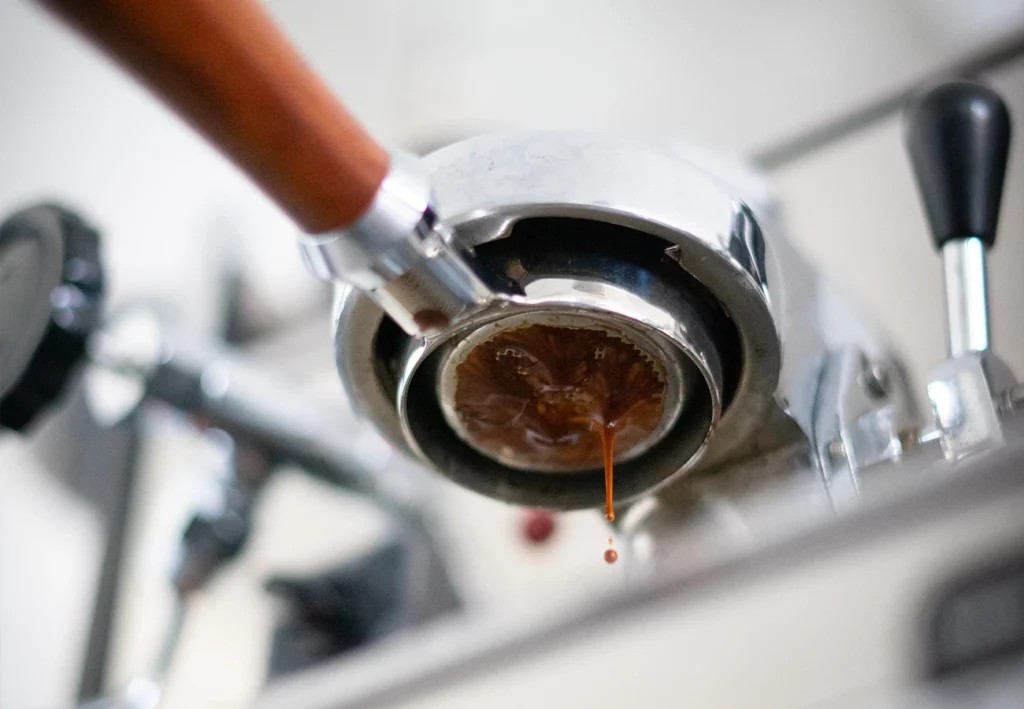
Pressure control is the second pillar, because nine bars of pressure is only useful when it arrives smoothly and stays steady, and the Meraki pump profile ramps gently before holding its peak, which lets the Meraki Gen 2 espresso machine pre-infuse the puck evenly and then extract without channelling, giving a crema that is thick, even, and reddish-brown rather than thin and pale.
Precision in the Details
The group head and portafilter received as much attention as the internals, with tolerances tightened and the basket geometry revised so that water spreads evenly across the puck, and the Meraki engineers tested dozens of prototypes before settling on the final shape, because the Meraki Gen 2 espresso machine had to feel solid in the hand as well as perform on the bench.
Materials were chosen for durability rather than decoration, with metal used where heat and pressure demand it and high-grade polymers only where they improve insulation or handling, and the Meraki build quality shows in the weight of the machine and the absence of flex or rattle, so that the Meraki Gen 2 espresso machine feels like equipment built to last years rather than a gadget built to sell a season.
Designed for Real Kitchens
A machine that only works in a showroom is a failure, so the new design was tested in real kitchens with limited counter space, hard water, and hurried mornings, and the Meraki team shrank the footprint, simplified the controls, and made routine cleaning a two-minute job, which means the Meraki Gen 2 espresso machine fits daily life instead of demanding that daily life fit around it.
Maintenance engineering is easy to overlook and hard to live without, since scale build-up and stale coffee oils are the two quiet killers of home espresso, and the Meraki design gives easy access to the parts that need descaling and wiping, so that the Meraki Gen 2 espresso machine stays in peak condition with a small amount of regular care rather than an annual rescue mission.
Looked at as a whole, the engineering story is one of restraint, because every feature exists to serve the shot and nothing exists merely to fill a brochure, and that discipline is why the Meraki machine earns its place among serious home brewers, with the Meraki Gen 2 espresso machine standing as proof that thoughtful engineering, not louder marketing, is what makes great espresso.
Testing, Tuning, and Living With the Machine
The first week with a new machine is a tuning period, not a verdict, because the brewer is learning the grinder, the dose, and the machine’s rhythm all at once, and the Meraki setup guides suggest changing one variable at a time, so that the Meraki Gen 2 espresso machine can be dialled in calmly instead of through a morning of frustrated random adjustments.
Shot timing is the simplest diagnostic a brewer owns, since a shot that runs between twenty-five and thirty seconds usually indicates a healthy grind and dose, while times far outside that window point clearly to the fix, and the Meraki machine’s consistent pressure makes timing a reliable signal, which is how the Meraki Gen 2 espresso machine rewards a brewer who watches the clock.
A maintenance schedule is the difference between a machine that lasts three years and one that lasts ten, because descaling on time, replacing gaskets before they harden, and wiping the steam wand after every use all prevent slow decline, and the Meraki care guides lay out that schedule plainly, so that the Meraki Gen 2 espresso machine stays in peak condition with modest, regular attention.
Accessories extend what the machine can do, with a precision basket improving evenness, a bottomless portafilter revealing flaws, and a good tamper ensuring a level puck, and the Meraki accessory range is designed to fit the group exactly, which means the Meraki Gen 2 espresso machine can grow with the brewer’s skill without any modification or compromise.
Troubleshooting becomes easier once the fundamentals are understood, since sourness, bitterness, and weak crema each point to a specific cause, and the Meraki support guides walk through those symptoms in plain language, so that the Meraki Gen 2 espresso machine rarely leaves a brewer stuck, and most problems resolve with a grind tweak or a cleaning cycle.
Longevity is the final engineering test, because a machine that still pulls excellent shots after thousands of cycles has proven its design, and the Meraki build quality, from the boiler to the frame, is chosen for exactly that endurance, which is why the Meraki Gen 2 espresso machine is an investment in years of mornings rather than a short-lived kitchen novelty.
