


Discovering the World of Online Games and Digital Entertainment
Digital entertainment has become an important part of modern life, offering people convenient ways to explore interactive experiences, enjoy creative challenges, and spend their leisure time. The growing interest in 88xx reflects the wider appeal of online gaming environments that bring together accessible interfaces, colorful designs, and different styles of gameplay. Modern gaming platforms can include casual challenges, puzzle activities, sports-themed experiences, strategy games, and other interactive options designed for a variety of interests. Each category offers a different experience, allowing users to choose activities that match their preferences and available time. Some people enjoy quick sessions that require only a few minutes, while others prefer games that involve planning, concentration, and longer periods of engagement. Visual presentation also plays a significant role in making digital entertainment attractive. Animated elements, well-organized menus, distinctive themes, and responsive controls can create a more enjoyable experience. Nevertheless, choosing an online gaming platform involves more than considering its appearance. Users should also evaluate usability, device compatibility, privacy protections, and the clarity of its rules. A thoughtful approach helps people enjoy digital entertainment while maintaining a healthy balance between online activities and everyday responsibilities.
Popular characteristics of digital gaming
- Accessible interfaces that make it easier to explore different game categories.
- Colorful graphics and animations that create distinctive visual experiences.
- Interactive challenges that encourage concentration and decision-making.
- Mobile-friendly layouts that support convenient access on compatible devices.
- Flexible entertainment options for people with different interests and schedules.
Exploring Different Game Categories for Varied Experiences
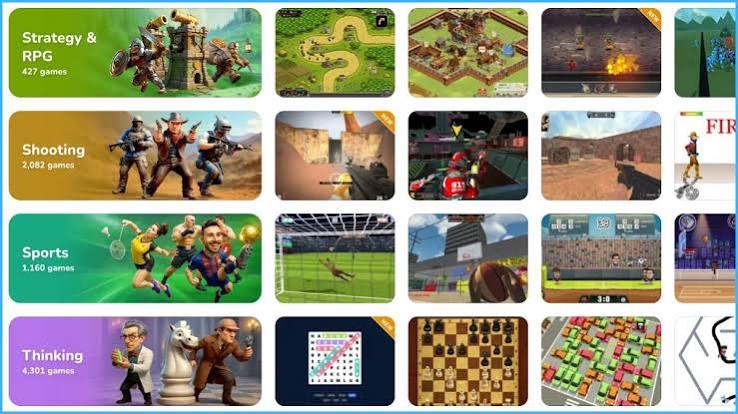
One of the main attractions of online gaming is the variety of experiences available within the broader digital entertainment landscape. Different game categories appeal to different personalities, skills, and preferences. Puzzle games, for example, encourage players to recognize patterns, solve problems, and think logically. Strategy games emphasize planning, resource management, and decisions that may influence later stages of gameplay. Casual games often focus on simple mechanics, making them suitable for short entertainment sessions. Sports-themed games can recreate elements of athletic competition through simulations, team management, or interactive challenges. Adventure games may emphasize exploration, storytelling, and progression through imaginative environments. Meanwhile, arcade-inspired experiences frequently focus on quick reactions, recognizable objectives, and straightforward controls. This variety allows users to explore different formats without relying on one style of entertainment. A well-organized gaming environment can make the discovery process easier by presenting categories with understandable descriptions and clear navigation. However, the availability of particular categories depends on the platform, and users should examine the actual content rather than assuming every service offers the same selection. Understanding the basic characteristics of each category helps users choose experiences that match their interests and expectations.
Examples of online gaming categories
- Puzzle games: Activities built around logic, patterns, and problem-solving.
- Strategy games: Experiences that reward planning and thoughtful decisions.
- Casual games: Simple activities suitable for short breaks and relaxed play.
- Sports games: Interactive experiences inspired by sporting activities.
- Adventure games: Story-driven environments that encourage exploration and discovery.
Engaging Gameplay Through Interactive Features and Challenges
Engaging gameplay depends on how effectively a game combines its objectives, controls, feedback, and progression systems. Attractive graphics may capture attention initially, but meaningful interaction is what often encourages users to continue exploring a particular experience. Clear objectives help players understand what they need to accomplish, while responsive controls make actions feel natural. Difficulty progression can also contribute to engagement by introducing new challenges as users become familiar with the mechanics. Some games incorporate achievements, unlockable content, scoreboards, or progress indicators to help users track their activity. These features can provide a sense of direction without requiring complicated instructions. Tutorials and practice modes may be especially helpful for beginners because they introduce essential mechanics gradually. Another important consideration is fairness and transparency. The rules should be understandable, and the interface should communicate the consequences of important actions. In games involving random outcomes, users should recognize that previous results do not necessarily predict future ones. Features designed to increase excitement should never be mistaken for guarantees of success. A balanced gaming experience combines understandable mechanics with appealing presentation, allowing users to focus on the activity itself rather than navigating confusing menus or interpreting unclear instructions.
Features that can support engaging gameplay
- Simple tutorials that introduce controls and objectives.
- Responsive interactions that provide clear feedback.
- Progress indicators that help users understand their development.
- Varied challenges that maintain interest over time.
- Transparent rules that explain how each game operates.
Mobile Gaming and Convenient Access Across Devices
Mobile technology has transformed digital entertainment by allowing people to access compatible games through smartphones and tablets. This convenience makes device compatibility an important consideration when evaluating an online gaming environment. A mobile-friendly interface should adjust to different screen sizes while preserving readable text, visible controls, and clear navigation. Buttons need sufficient spacing to reduce accidental selections, and important information should remain accessible without excessive scrolling. Responsive design can also help users move between categories more comfortably. However, a platform that works well on a desktop computer may not automatically provide the same experience on every mobile device. Processing power, operating system versions, browser compatibility, and internet quality can all influence performance. Games with elaborate graphics may require more resources than simpler activities, potentially affecting loading times or battery consumption. Users can improve their experience by keeping their browsers and operating systems updated, closing unnecessary applications, and using reliable internet connections. It is also wise to avoid installing applications from unfamiliar sources. Before downloading software, users should verify its authenticity, review the requested permissions, and consider whether installation is necessary at all. These precautions help make mobile entertainment more convenient without overlooking important security concerns.
Tips for a smoother mobile gaming experience
- Check device and operating system compatibility before accessing a game.
- Use a reliable internet connection for online activities.
- Keep browsers and software updated to address known security issues.
- Review application permissions before installing new software.
- Choose interfaces with readable text and comfortable touch controls.
User-Friendly Design, Navigation, and Personal Preferences
An organized interface can significantly influence how people experience an online gaming platform. When menus are clearly labeled and categories follow a logical structure, users can find relevant activities without unnecessary effort. Effective navigation also reduces confusion by making essential information easy to locate. For example, separate sections for game descriptions, settings, account information, and support resources can help users understand where to find specific details. Consistent icons and familiar menu arrangements can make the interface easier to learn. Search tools and category filters may also help users narrow down a large collection of games according to their interests. Personal preferences matter because no single interface works equally well for everyone. Some users prefer minimalist layouts with limited animation, while others appreciate colorful themes and more elaborate visual effects. Accessibility features, including readable typography, sufficient contrast, and adjustable sound settings, can improve usability for a wider audience. Loading indicators and clear error messages are valuable as well because they explain whether the system is processing an action or encountering a problem. When evaluating an online gaming service, users should consider how easily they can understand its layout and whether important information is presented honestly. A convenient interface should simplify the experience rather than pressure people into making unnecessary decisions.
Elements of an effective gaming interface
- Clearly labeled navigation menus and game categories.
- Search and filtering options for easier content discovery.
- Consistent icons, colors, and button styles.
- Accessible settings for sound, display, and other preferences.
- Visible help information and understandable error messages.
Exploring Thể Thao 88XX and Sports-Themed Digital Entertainment
Sports-themed digital entertainment offers another way to explore interactive gaming experiences. These environments may include sports simulations, virtual competitions, team-management challenges, and activities inspired by popular athletic events. The term Thể Thao 88XX may appear in searches associated with sports-related entertainment, making it useful to understand the wider category and its different formats. Sports games can appeal to users who enjoy competition, tactical decisions, team strategies, and the atmosphere surrounding athletic activities. Depending on the format, an experience may emphasize controlling individual players, managing a team, predicting strategic outcomes, or learning the rules of a particular sport. Graphics and sound design can help recreate stadium environments, recognizable sporting movements, and competitive situations. Nevertheless, sports-themed games vary considerably, and their features should be evaluated individually. Users should distinguish between ordinary sports simulations and services involving wagering or other financial commitments. If a platform offers betting-related activities, participants should check local laws, age restrictions, financial risks, and the applicable terms before considering participation. No prediction method can guarantee a sporting outcome, and promotional material should not be treated as reliable evidence of potential returns. For people seeking entertainment without financial exposure, non-wagering sports games and simulations may provide an alternative way to enjoy competitive themes.
What to consider when exploring sports-themed games
- Review the game format and its rules before participating.
- Look for clear descriptions of available sports and interactive features.
- Distinguish between simulations and activities involving financial risk.
- Check applicable age requirements and local legal restrictions.
- Choose entertainment options that fit personal interests and budgets.
Online Safety, Responsible Play, and Better Digital Habits
Enjoying digital entertainment responsibly requires attention to security, privacy, time management, and personal well-being. Before using an unfamiliar gaming platform, users should assess whether its website address is legitimate and whether its privacy information explains how personal data is collected and handled. Strong passwords, unique login credentials, and available security protections can reduce the risk of unauthorized account access. Users should also be cautious about unsolicited messages, suspicious downloads, and offers that demand sensitive information. A legitimate-looking interface does not automatically establish that a service is trustworthy. Reading independent information, reviewing terms, and checking the availability of customer support can help users make better-informed decisions. Time management is equally important. Setting a reasonable limit for entertainment sessions can prevent gaming from interfering with work, education, sleep, or personal relationships. Taking breaks and choosing activities that do not require continuous attention can help maintain a healthier routine. Financial boundaries are particularly important when a service includes paid features or gambling-related options. Users should never spend money they cannot afford to lose, borrow funds to continue playing, or assume that previous losses can be recovered through additional participation. Where gambling is involved, legal eligibility and personal risk should be considered carefully. The most sustainable approach to online entertainment is one that prioritizes safety, moderation, and informed choices.
Practical habits for safer online entertainment
- Use strong passwords and protect account credentials.
- Review privacy policies and relevant terms of service.
- Avoid suspicious links, unverified applications, and unrealistic promises.
- Establish time limits and take regular breaks.
- Keep entertainment spending within an affordable, predetermined budget.
Conclusion: How 88xx Online Games Can Support an Enjoyable, Balanced, and Responsible Digital Entertainment Experience
Online gaming continues to offer a wide range of digital entertainment experiences, from casual puzzles and strategic challenges to colorful arcade activities and sports-themed simulations. Its appeal comes from the combination of accessible technology, interactive features, visual creativity, and opportunities to explore different styles of gameplay. However, an enjoyable experience depends on more than the number of games available or the attractiveness of their graphics. Responsive controls, clear navigation, understandable rules, reliable performance, and appropriate security measures are equally important. Mobile compatibility can make entertainment more convenient, while accessibility features help users interact with digital environments more comfortably. At the same time, responsible habits should remain central to the experience. Protecting personal information, checking the legitimacy of unfamiliar services, respecting applicable laws, and setting reasonable limits on time and spending can help users avoid unnecessary risks. People should also recognize that chance-based activities involve uncertainty and that no promotional message or visual feature can guarantee a particular outcome. Choosing entertainment according to personal interests, practical needs, and individual boundaries creates a more balanced approach to digital leisure. Ultimately, the best gaming experience is not necessarily the one with the most elaborate presentation or the greatest number of features. It is the one that combines usability, transparency, security, and enjoyable interaction while allowing people to maintain control over their time, choices, and responsibilities.
