


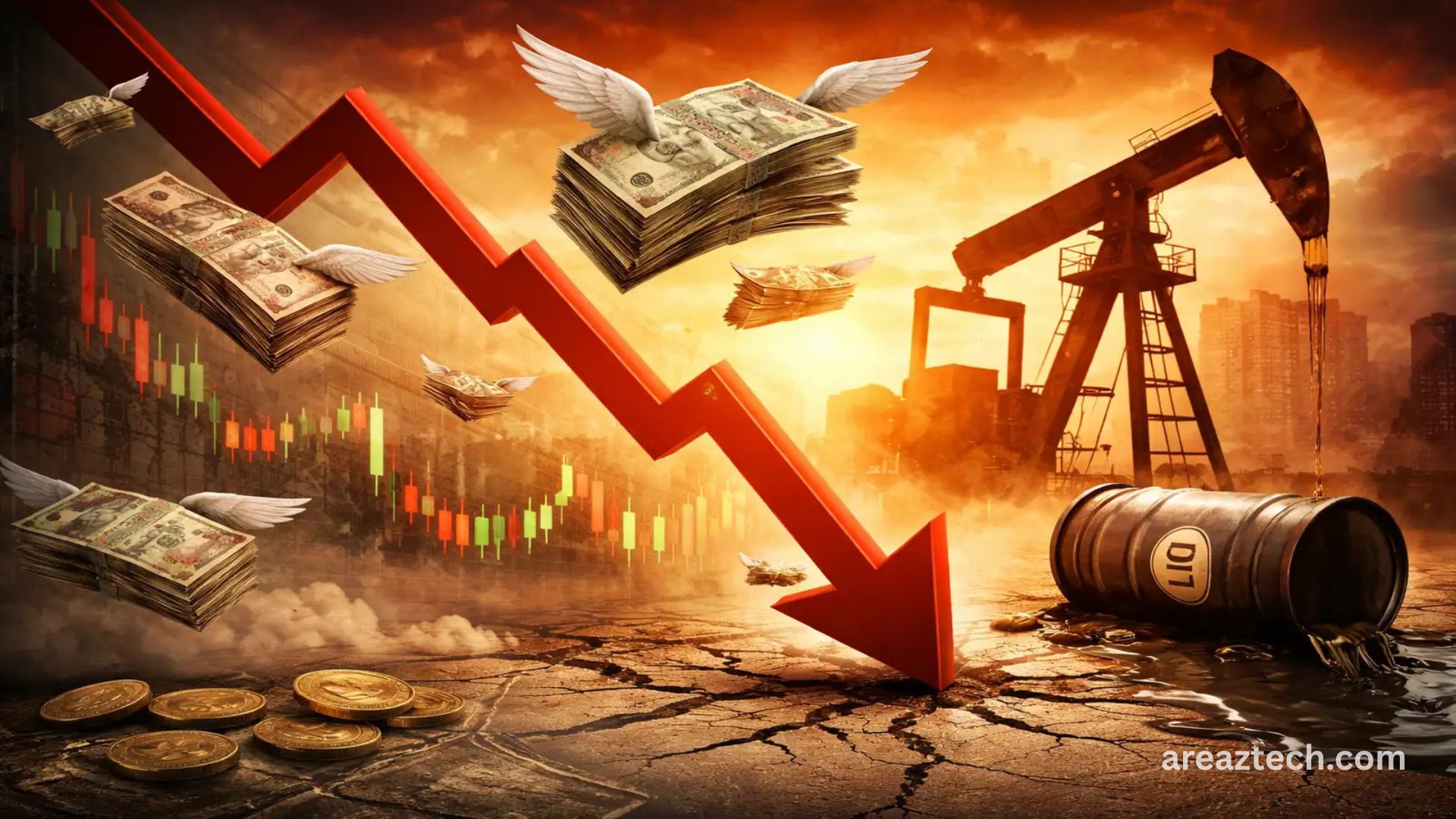
Small businesses across global markets are facing one of the most challenging periods in recent years as economic instability continues to create wave after wave of pressure. Rising inflation, fluctuating demand, supply chain disruptions, and increasing operational costs have combined to form a difficult environment for entrepreneurs and local business owners. Many small enterprises, which form the backbone of global economies, are now struggling to maintain stability while adapting to constant financial uncertainty.
In recent months, business owners have reported that just as they begin to recover from one challenge, another disruption appears almost immediately. This continuous cycle of shocks is making long-term planning extremely difficult. From retail shops and service providers to small manufacturers, the impact is widespread. As a result, many are being forced to rethink strategies, reduce expenses, and find new ways to survive in an increasingly unpredictable economic landscape.
Rising Cost Pressures on Small Businesses
One of the most significant challenges facing small businesses today is the sharp rise in operational costs. Expenses related to rent, utilities, transportation, and raw materials have increased in many regions, putting pressure on already tight profit margins. For small business owners, even minor cost increases can have a major impact on sustainability.
Unlike large corporations, small businesses often lack the financial flexibility to absorb sudden cost spikes. This makes them more vulnerable to economic fluctuations. As a result, many owners are being forced to raise prices, reduce staff, or cut services in order to stay afloat, which further affects customer demand and overall business stability.
Inflation and Its Direct Impact on Local Enterprises
Inflation continues to be one of the most persistent challenges for small businesses. As the cost of goods and services rises, consumers become more cautious with spending, leading to reduced sales for many small enterprises. This creates a difficult cycle where businesses must balance rising expenses with declining customer demand.
For many small business owners, inflation does not just affect pricing—it impacts entire business models. From inventory planning to wage management, every aspect of operations becomes more complex. This uncertainty makes it harder for businesses to plan ahead or invest in future growth opportunities.
Supply Chain Disruptions Creating Operational Delays
Global supply chain disruptions have added another layer of difficulty for small businesses. Delays in shipping, shortages of raw materials, and unpredictable delivery timelines are making it harder for businesses to operate efficiently. Many small enterprises rely on timely supply chains to maintain consistent operations, and any disruption can lead to lost sales and dissatisfied customers.
In some cases, businesses are being forced to find alternative suppliers, often at higher costs. This not only affects profitability but also creates inconsistency in product availability. Over time, these disruptions can damage customer trust and brand reliability, which are critical for small business success.
Declining Consumer Spending and Market Uncertainty
Consumer behavior is also playing a major role in the challenges faced by small businesses. As economic uncertainty grows, many households are reducing non-essential spending and focusing only on basic needs. This shift in consumption patterns is directly affecting small retailers, restaurants, and service providers.
The unpredictability of consumer demand makes it difficult for businesses to plan inventory, staffing, and marketing strategies. Even businesses that previously experienced steady growth are now seeing fluctuations in sales, making it harder to maintain consistent revenue streams.
Cash Flow Challenges and Financial Pressure
Cash flow management has become one of the most critical issues for small businesses in the current economic climate. Delayed payments from customers, rising expenses, and reduced sales are all contributing to financial strain. Many businesses are finding it difficult to maintain sufficient working capital to cover day-to-day operations.
Without stable cash flow, even profitable businesses can face operational difficulties. This has led many small business owners to rely on credit or loans to manage short-term expenses, increasing their long-term financial risk and dependency on external funding.
Workforce Adjustments and Employment Concerns
In response to financial pressure, many small businesses are being forced to adjust their workforce. This includes reducing working hours, delaying hiring plans, or in some cases, laying off employees. These decisions are often difficult but necessary for survival in a challenging economic environment.
The impact on employees is significant, as job security becomes uncertain in many small enterprises. At the same time, business owners must balance cost reduction with maintaining service quality, making workforce management a complex and sensitive issue.
Digital Transformation as a Survival Strategy
Despite the challenges, many small businesses are turning to digital transformation as a way to survive and adapt. Online sales platforms, digital marketing, and remote service models are helping businesses reach new customers and reduce operational costs.
E-commerce and social media marketing have become essential tools for growth, allowing small businesses to compete in broader markets. However, adopting digital solutions also requires investment in technology and training, which can be difficult for businesses already under financial pressure.
Government Support and Policy Measures
In many regions, governments are introducing support measures to help small businesses cope with economic challenges. These include tax relief programs, low-interest loans, and grants aimed at encouraging business stability and growth.
While these measures provide some relief, their effectiveness varies depending on accessibility and implementation. Many small business owners still find it difficult to navigate complex application processes or meet eligibility requirements, limiting the overall impact of such support programs.
Psychological Impact on Business Owners
Beyond financial challenges, small business owners are also facing emotional and psychological stress. Constant uncertainty, financial pressure, and the responsibility of maintaining operations are contributing to increased levels of anxiety and burnout.
For many entrepreneurs, their business is not just a source of income but also a personal investment of time and effort. Continuous economic shocks can therefore have a deep emotional impact, affecting decision-making and long-term confidence.
Innovation and Adaptation in Difficult Times
Despite ongoing challenges, many small businesses are demonstrating resilience through innovation. Some are diversifying their product offerings, while others are exploring new markets or adopting hybrid business models. This adaptability is helping some businesses survive and even grow in difficult conditions.
Innovation has become a key survival strategy. Businesses that are able to quickly respond to market changes and customer needs are more likely to maintain stability despite ongoing economic uncertainty.
Read More: Global Leaders Face AI Strategy and Adoption Challenges
The Future Outlook for Small Businesses
The future for small businesses remains uncertain, but not without opportunity. While economic shocks continue to create challenges, they are also pushing businesses to become more flexible and efficient. Companies that successfully adapt to changing conditions may emerge stronger in the long term.
Digital transformation, financial planning, and strategic adaptation will play a crucial role in determining which businesses survive and thrive. Although the current environment is difficult, it is also driving a new era of innovation and resilience in the small business sector.
FAQs (Frequently Asked Questions)
Why are small businesses facing continuous economic shocks?
They are affected by inflation, rising costs, supply chain issues, and unstable consumer demand all at the same time.
How does inflation impact small businesses?
Inflation increases operational costs and reduces customer spending, making it harder for small businesses to maintain profits.
What are supply chain disruptions doing to small businesses?
They cause delays, shortages, and higher costs, which affect product availability and business operations.
Are small businesses cutting jobs due to economic pressure?
Yes, many are reducing staff hours or jobs to manage rising expenses and maintain financial stability.
How are small businesses adapting to challenges?
Many are shifting to online platforms, digital marketing, and new business models to stay competitive.
What role does government support play?
Governments offer loans, tax relief, and grants, but access and effectiveness vary by region.
Is consumer spending affecting small businesses?
Yes, reduced spending on non-essential goods is lowering sales for many small enterprises.
What is the future outlook for small businesses?
The outlook is uncertain but improving adaptability and digital transformation may help long-term survival.
Conclusion:
Small businesses are currently navigating one of the most unstable economic environments in recent years, facing continuous shocks that affect every aspect of their operations. From rising costs and inflation to supply chain disruptions and declining consumer spending, the challenges are widespread and persistent.
However, despite these difficulties, many small businesses continue to adapt, innovate, and find new ways to survive. Their resilience highlights the importance of flexibility, strategic thinking, and digital adoption in today’s rapidly changing economy. While the road ahead remains uncertain, small businesses continue to play a vital role in supporting economic growth and community stability worldwide.
